

 See My Latest Article on HelloNation
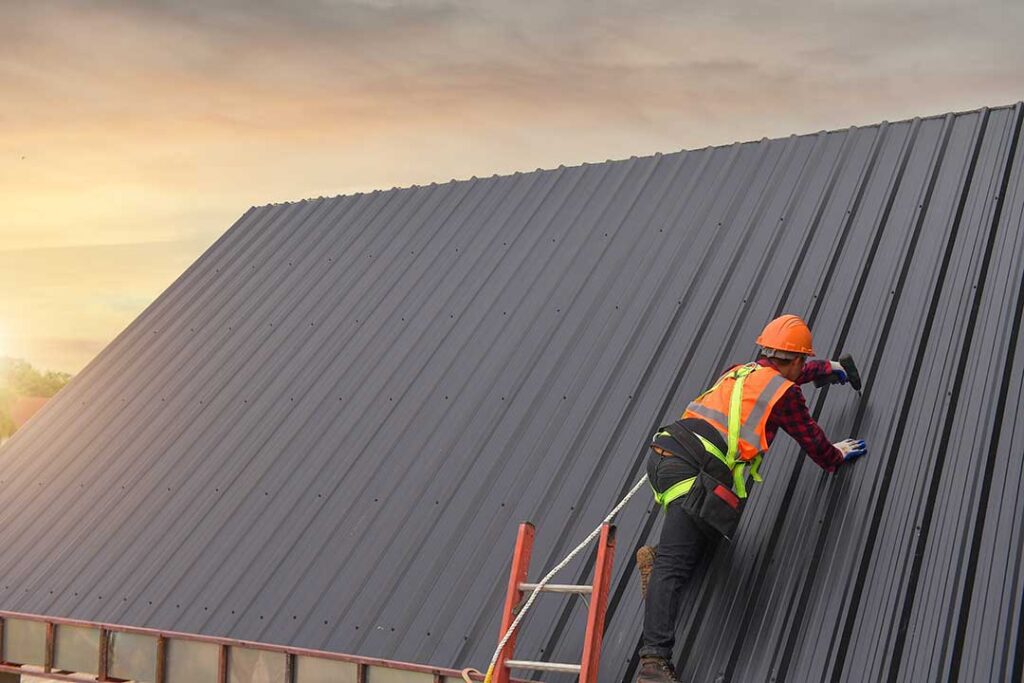
Why roof drainage deserves attention
A roof drainage system moves rain and melting snow away from the roof, walls, foundation, and walkways. In Wyoming, MI, regular precipitation, freeze-thaw cycles, and winter snow make drainage maintenance an important part of protecting a home.
Water damage is often gradual. A small blockage or loose connection may first appear as an overflowing gutter, a damp basement wall, stained siding, or soil erosion near the foundation. Good drainage design and routine inspection help prevent those problems from becoming larger repairs.
How should water move off a roof?
Rainwater should follow a controlled path from the roof surface into gutters, through downspouts, and safely away from the foundation. Every part of that path needs to work together.
A properly functioning system generally includes:
- Roof slopes that direct water toward the eaves
- Gutters sized for the roof area and expected rainfall
- Gutter hangers that keep the channel properly aligned
- Downspouts positioned to receive water from low points
- Extensions or underground outlets that discharge water away from the foundation
- Soil grading that slopes away from the house
Water should not pool on the roof, spill over the front edge of a gutter, or discharge directly beside the foundation. If any of those conditions occur repeatedly, the issue may involve more than simple debris.
What gutter practices help prevent drainage problems?
Gutters should be kept clear enough for water to flow continuously. Leaves, seed pods, roof granules, ice, and small branches can restrict the channel or block the outlet to a downspout.
Inspection is especially useful:
- In late spring, after winter ice and snow
- In autumn, after most leaves have fallen
- After severe storms or strong winds
- Whenever water begins spilling over the gutter edge
Gutters should have a slight, consistent slope toward their outlets. They should not appear to hold standing water after rainfall. Sections that sag, separate, or pull away from the fascia can allow water to run behind the gutter and damage trim or wall materials.
Cleaning from the roof edge or a stable ladder requires caution. Wet surfaces, icy conditions, and overhead hazards can make this work unsafe. Where access is difficult or the roof is steep, safety may require trained assistance rather than a risky do-it-yourself approach.
Where should downspouts discharge water?
Downspouts should release water far enough from the foundation that it does not immediately flow back toward the house. The exact distance depends on grading, soil, landscaping, and whether the property uses a drainage outlet, but a short discharge directly beside the wall is rarely effective.
Downspout extensions should remain connected and pointed away from the structure. They should not end where water can collect against:
- Basement walls
- Crawl-space foundations
- Window wells
- Driveways or walkways where ice may form
- Neighboring property areas
- Areas where soil is already eroding
Buried downspouts can provide a neat appearance, but they need a suitable outlet and periodic inspection. A buried line that is crushed, clogged, or frozen can cause water to back up near the foundation without being obvious from the surface.
How does roof design affect drainage?
Roof shape, slope, valleys, dormers, chimneys, and roof penetrations all influence how much water reaches a particular area. Valleys collect water from two roof planes and may experience concentrated flow during heavy rain. They need durable flashing and a clear path into the gutter system.
Low-slope roof sections require special attention because water moves more slowly and may remain after rainfall. Ponding can increase wear on roofing materials and may indicate inadequate slope, blocked drainage, structural movement, or a problem with the roof surface.
Areas around chimneys, skylights, vents, and wall intersections also depend on correctly installed flashing. Even a well-maintained gutter cannot compensate for a flashing failure that allows water into the roof assembly.
What should homeowners know about snow and ice?
In this region, snow and repeated freezing and thawing can create drainage problems that are less visible during warmer months. Ice may form inside gutters or at roof edges, while melting snow can refreeze when it reaches a cold overhang.
Heavy ice buildup can strain gutters, loosen fasteners, and damage roof-edge materials. Ice dams may also force water beneath roofing components if meltwater cannot drain normally. Not every icicle indicates a serious problem, but large, recurring formations combined with interior staining or leaking deserve attention.
Removing roof ice with sharp tools can damage shingles, membranes, flashing, and gutters. Pouring chemicals or hot water onto a roof may create additional damage or unsafe runoff. Winter drainage issues are best addressed by identifying the cause, such as inadequate insulation, air leakage, blocked drainage, or insufficient roof-edge ventilation.
Can landscaping improve roof drainage?
Yes. Landscaping should support the roof drainage system rather than obstruct it. Soil around the foundation should generally slope away from the house, and mulch or planting beds should not trap water against exterior walls.
Plants can also hide damaged downspouts, clog outlet areas, or make it difficult to see erosion. Tree branches that overhang the roof may drop leaves and twigs into gutters, while roots can interfere with buried drainage lines.
A practical drainage check includes looking for:

- Muddy areas near downspout outlets
- Exposed foundation surfaces
- Soil washed away below roof valleys
- Water collecting beside basement windows
- Plants or mulch touching siding or blocking outlets
- Downspout discharge flowing toward the house
Are gutter guards a complete solution?
No. Gutter guards may reduce the amount of debris entering a gutter, but they do not eliminate maintenance. Small particles, roof granules, pine needles, and ice can still restrict flow. Some guard designs may also shed water over the gutter during intense rainfall if they are not suited to the roof’s drainage pattern.
Any covered gutter system should still be inspected from above and below. The gutter channel, seams, fasteners, downspout openings, and discharge points all need to remain functional.
What signs suggest a drainage problem?
Common warning signs include:
- Water pouring over the gutter during ordinary rain
- Streaks or staining below the roof edge
- Gutter sections that sag or pull away
- Basement dampness after storms
- Peeling paint or decayed trim near the eaves
- Erosion beneath roof valleys or downspouts
- Mold-like staining on exterior walls
- Water marks in attics or upper-floor ceilings
- Repeated ice buildup at the roof edge
A single overflow during an unusually intense storm may not identify a design failure. Repeated symptoms, especially in several locations, suggest that the drainage path, roof geometry, gutter capacity, or grading should be evaluated.
A practical seasonal drainage routine
A simple inspection schedule can catch many issues early:
Spring: Check for loose gutters, damaged downspouts, winter debris, and erosion near the foundation.
Summer: Watch how water moves during heavy rain. Look for overflow, standing water, and damp areas near walls or basement windows.
Autumn: Remove accumulated leaves and confirm that downspout outlets remain open after nearby trees shed foliage.
Winter: Observe ice buildup, blocked outlets, and water entering the home during snowmelt. Avoid climbing onto icy roofs or attempting repairs in hazardous conditions.
Roof drainage is most effective when the roof surface, gutters, downspouts, foundation grading, and surrounding landscape are treated as one connected system. A problem in any single section can redirect water into places the building was never designed to handle.