

 See My Latest Article on HelloNation
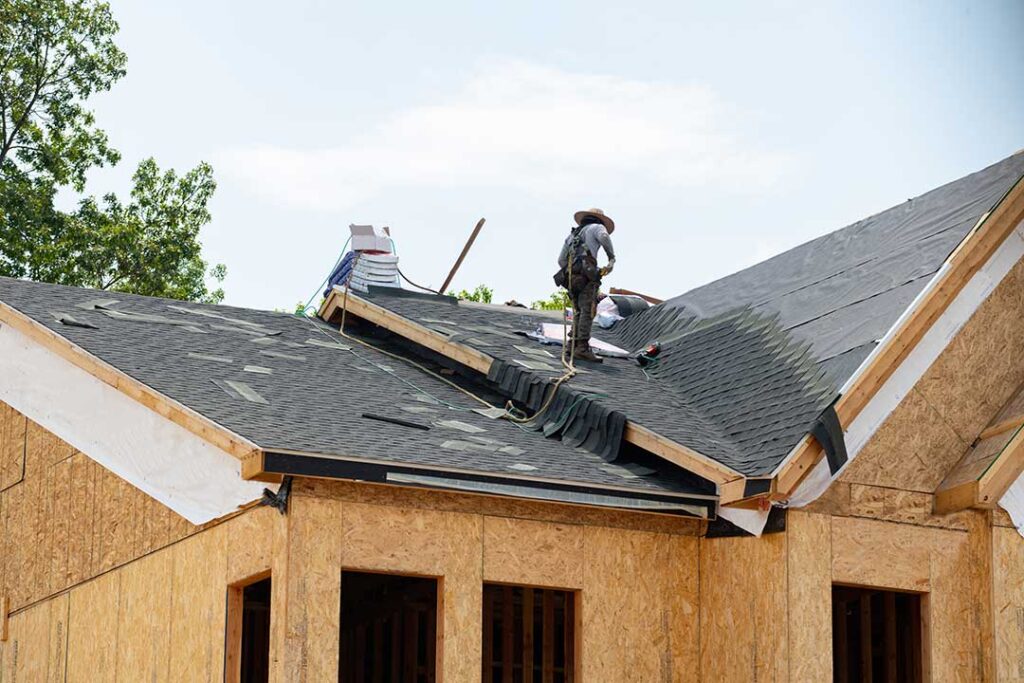
Choosing a roof color is more than a matter of personal taste. The right shade should work with the home’s siding, brick, trim, landscaping, neighborhood character, and the changing light that comes with Michigan’s seasons.
For homeowners in Wyoming, MI, a roof also needs to look appropriate through bright summer sun, cloudy winter conditions, fall leaves, and periods of snow. A color that appears attractive on a small sample may look very different across an entire roof, so the decision deserves careful comparison.
What should be considered before choosing a roof color?
Start with the parts of the home that are not likely to change soon. Roof color should coordinate with permanent or expensive features rather than compete with them.
Look at:
- Siding or exterior wall color
- Brick, stone, or masonry
- Window frames and trim
- Gutters and downspouts
- Garage doors and exterior doors
- Driveway and walkways
- Nearby trees, shrubs, and fencing
- The style and colors of neighboring homes
A roof does not need to match every exterior feature exactly. In most cases, it looks better when it complements the home through related tones. For example, a home with warm tan siding may work well with brown, weathered brown, or a muted blend containing tan and gray. A home with cool gray siding may be better suited to charcoal, slate, or a black-and-gray blend.
If the exterior includes several strong colors, a more restrained roof usually creates better balance.
Which roof colors work well with common home exteriors?
The best pairing depends on the undertones in the exterior. Undertones are the subtle warm or cool qualities beneath a visible color.
White or light siding
White siding provides flexibility, but the trim and masonry still matter. Dark gray, charcoal, black, brown, and blended gray roofs can all work well. A dark roof creates contrast and gives the home a more defined shape.
For a softer appearance, a medium gray or weathered blend may be more forgiving than a solid black roof.
Gray siding
Gray siding usually pairs best with cool roof colors, including charcoal, slate gray, and black. If the siding has a noticeable blue undertone, a roof with blue-gray elements may coordinate more naturally than a warm brown.
Some gray homes also include warmer trim or stone. In that case, a mixed shingle color containing both gray and brown can connect the exterior materials.
Beige, tan, or cream siding
Warm exterior colors generally coordinate with brown, tan, copper-toned, or weathered roof blends. A roof with too much blue or cool gray may make the home appear mismatched.
A medium brown roof is often less visually heavy than a very dark roof and can complement cream trim or natural stone.
Blue siding
Blue siding often works with charcoal, dark gray, black, or certain weathered blends. The specific blue matters. A muted blue may pair comfortably with gray-brown shingles, while a brighter blue may need a simpler, darker roof to prevent the exterior from appearing overly busy.
Brick or stone exteriors
Brick and stone contain several colors, even when they appear mostly red, brown, or gray. Examine the lighter and darker tones within the masonry before selecting a roof.
A roof does not have to match the dominant brick color. It may coordinate better with a secondary tone, such as the gray mortar, dark window trim, or brown accents.
Does roof color affect indoor temperature?
Roof color can influence how much solar energy the roof surface absorbs, but the effect on indoor comfort is often smaller than homeowners expect. Attic ventilation, insulation, air sealing, roof orientation, tree shade, and the home’s heating and cooling systems usually have a larger impact.
In general, darker roofing materials absorb more sunlight and may become warmer in direct summer sun. Lighter materials tend to reflect more sunlight. However, roofing products vary in their surface properties, and color alone does not determine the roof’s total energy performance.
In a Michigan climate, roof color should not be selected only for summer heat concerns. Winter snow, moisture, ice formation, attic conditions, and overall roof construction also affect how the home performs.
Should a roof be lighter or darker for a smaller home?
A lighter roof can make a home appear somewhat more open and less visually heavy. A darker roof creates stronger contrast and may give a low, simple roofline a more grounded appearance.
The apparent effect depends on the roof’s shape. A complex roof with multiple slopes, dormers, or intersecting sections may look more substantial in a very dark color. A medium blend can help reduce visual heaviness while still providing contrast.
For smaller ranch-style homes common in established residential areas, homeowners often prefer a color that defines the roof without making it dominate the exterior. Medium gray, weathered brown, and mixed neutral shades can provide that balance.
How should seasonal conditions in Wyoming influence the decision?
Seasonal light changes the way roof colors are perceived. A color viewed in bright summer sunlight may appear noticeably darker beneath an overcast winter sky.
Snow is another practical consideration. A dark roof may make snow cover more visible as it melts unevenly. Light-colored debris, pollen, and certain stains may also stand out differently depending on the shingle color. In neighborhoods with mature trees, fallen leaves and small branches can temporarily change the roof’s appearance regardless of the original color.
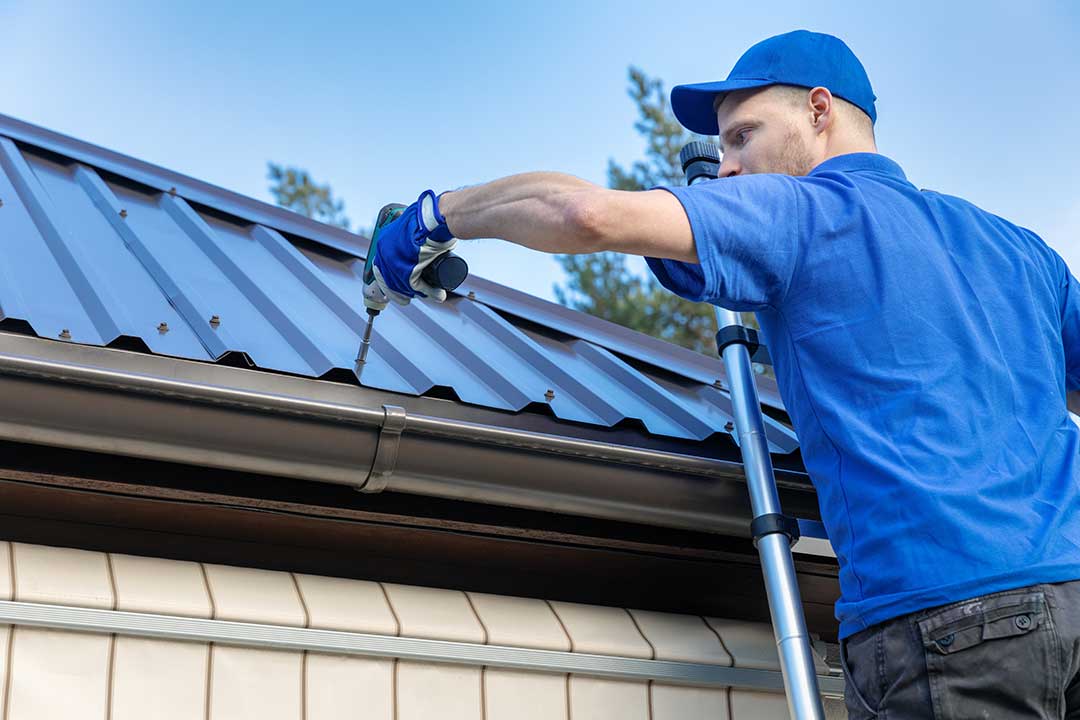
A blend of multiple tones often hides minor debris and color variation better than a completely uniform shade. That does not eliminate maintenance, but it may keep the roof looking more consistent between cleanings.
Is a sample board enough to make the decision?
A small sample is useful, but it should not be the only reference. Roofing materials cover a large area, and the final color may appear stronger or darker once installed across the roof.
Before deciding:
- View samples outside rather than only indoors.
- Check them in morning, midday, and late-day light.
- Compare them beside the siding, brick, trim, and gutters.
- Look at the sample from the street as well as close up.
- Observe how the color looks on sunny and cloudy days.
- Consider photos of full roofs, not only individual shingles.
Digital color tools can help narrow the choices, but screen settings alter color. Printed brochures also vary depending on lighting and paper. Physical samples viewed at the home provide a more dependable comparison.
Are dark roofs always the most modern choice?
No. Dark roofs are popular because they create strong contrast and can make trim or light siding stand out, but a modern appearance can also come from a coordinated medium gray, muted brown, or carefully selected blended color.
The architectural style matters more than trends alone. A traditional home may suit a weathered blend, while a clean-lined exterior may look better with a relatively consistent charcoal or gray. The goal is a roof color that will remain comfortable to live with after current design trends change.
What common mistakes should be avoided?
Several choices can make a roof appear disconnected from the home:
- Selecting a color from a small indoor sample only
- Ignoring the undertones in siding or brick
- Matching the roof too closely to the walls
- Choosing a highly varied blend for an already busy exterior
- Assuming black works with every color of siding
- Forgetting that trim, gutters, and doors affect the overall balance
- Making a decision based only on a neighbor’s home
It is also worth checking any neighborhood rules, association requirements, or local permit information that may apply before materials are ordered. Requirements can vary by property and project type.
The most dependable choice is usually a roof color that connects at least two or three existing exterior elements without trying to copy all of them. For many homes in the community, a balanced neutral or subtle blended shade offers visual flexibility through changing seasons, surrounding landscaping, and future exterior updates.