

 See My Latest Article on HelloNation
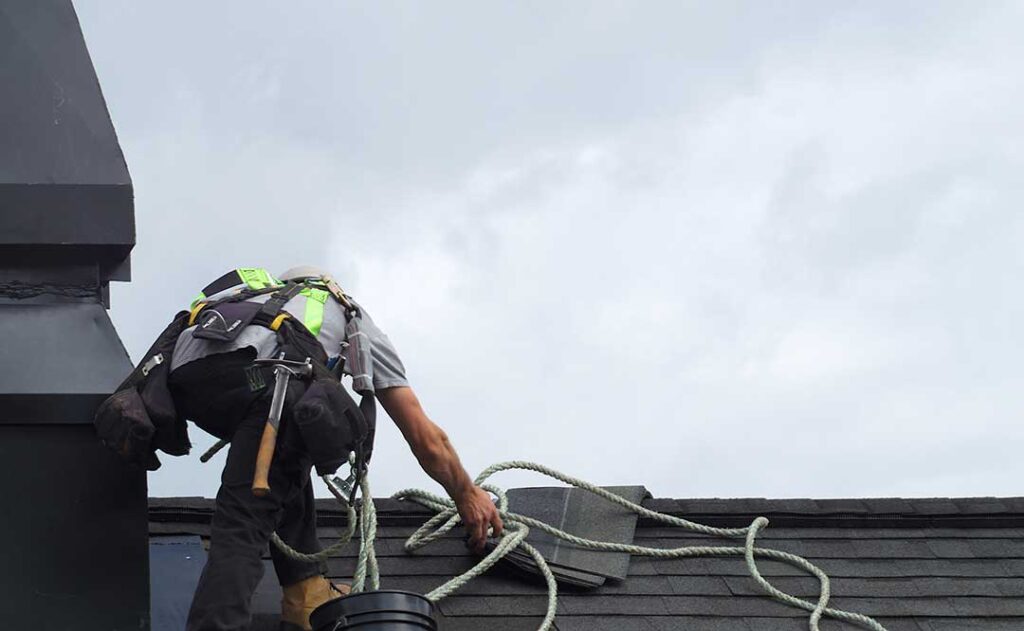
What Does a Roof Warranty Actually Cover?
A roof warranty is a written guarantee outlining what the maker or installer will fix or replace if something goes wrong with your roof. However, not every warranty is the same, and coverage can vary dramatically.
Typically, there are two main types of warranties:
- Manufacturer (Material) Warranty: Covers defects in roofing materials, such as shingles or underlayment, for a set number of years.
- Workmanship Warranty: Offered by the installer, this protects against errors made during the installation process.
In most cases, material warranties are much longer—sometimes 20-50 years—while workmanship coverage is often shorter, around 1-10 years. Both may have specific requirements that must be met for coverage to remain valid.
How Do Roof Warranties Work in Wyoming, MI’s Climate?
Wyoming, MI experiences heavy snowfall, periodic ice dams, high winds, storms, and seasonal temperature shifts. These factors challenge roof durability and can influence warranty coverage and the likelihood of claims.
Residents should:
- Check if snow, ice, or wind-related damage is included or excluded under “weather events” or “acts of God.”
- Understand maintenance requirements—frequent cleaning of gutters and ice dams may be required for a claim.
- Confirm coverage for leaks caused by freeze-thaw cycles, common in Michigan winters.
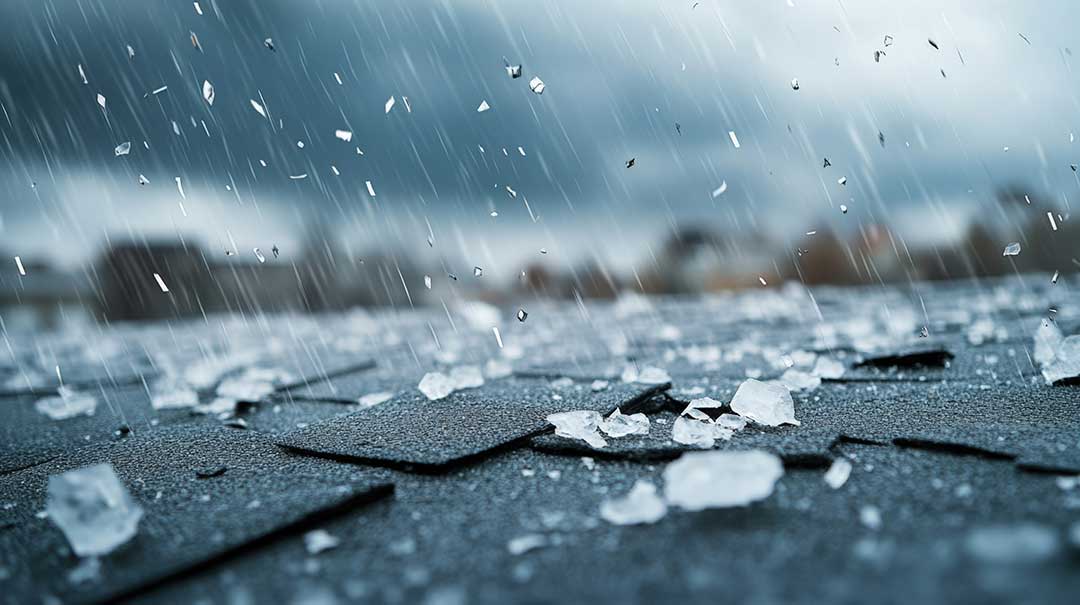
Many warranties do not cover storm or wind damage above certain wind speeds (e.g., 60 mph), so knowing these limits helps set realistic expectations.
What Is Typically Not Covered?
Most roof warranties are written to limit the manufacturer’s or installer’s liability. Homeowners are often surprised by what’s excluded, such as:
- Ordinary wear and tear
- Neglect, such as failing to remove debris or fix minor issues promptly
- Damages from other trades (e.g., satellite installation that punctures shingles)
- Unauthorized repairs or alterations
- Improper attic ventilation or insulation
It’s crucial to read the fine print and ask for clarification before assuming a specific problem is covered.
How Important Is Regular Maintenance?
Routine upkeep plays a significant role in keeping a roof warranty valid. Warranty documents usually state that neglecting maintenance—like not cleaning gutters, removing moss, or inspecting flashing—can void coverage.
In areas where leaves, snow, and twigs accumulate quickly, such as under large trees or after winter storms, local residents should:
- Schedule seasonal inspections, looking for missing or damaged shingles
- Address ponding water or ice dams right away
- Keep documentation of any maintenance or repairs, including invoices and photos
Proof of ongoing maintenance is essential if a claim needs to be filed. Without it, warranty providers may deny coverage.
What Should Homeowners Ask About Before Signing a Warranty?
Before agreeing to any warranty, homeowners in the city should ask:
- How long does each part of the warranty (materials and labor) last?
- What is required to keep the warranty valid?
- Is registration needed after installation?
- Are there specific exclusions for regional weather or building styles?
- How does the claim process work, and what documentation will be needed?
Local homeowners should also confirm whether transferring the warranty to a new owner is possible if selling the home. Some warranties become void upon sale or have strict transfer timelines.
Can Roof Warranties Be Transferred If a Home Is Sold?
Some warranties allow transfer to a new owner, but there are often deadlines and paperwork requirements. Transferability can add value to a property, especially in neighborhoods where buyers pay close attention to the age and quality of roofing.
To transfer a warranty, the seller or buyer may need to notify the manufacturer or installer within a set period (often 30-60 days) and pay a transfer fee. Always ask for written confirmation of what’s required in Wyoming.
What Are Common Misconceptions About Roof Warranties?
Many homeowners believe a warranty means nearly any roof issue will be fixed for free, but this is rarely true. Misunderstandings often include:
- Believing hail, wind over stated limits, or ice damage is automatically covered
- Assuming leaks always qualify (while in reality, most require proof they relate to defects, not to poor drainage or user-caused damage)
- Thinking warranty holders are entitled to full replacement instead of limited patching or repairs
Understanding these limits upfront prevents frustration later on.
How Can Homeowners Prepare for a Successful Warranty Claim?
If roof problems occur and a warranty claim is needed, local residents can improve their chances by:
- Taking date-stamped photos of the problem area and any possible cause
- Providing proof of regular inspections and upkeep
- Saving all installation and repair records
- Reporting problems promptly—waiting can result in claim denial
Reading and following warranty terms, especially about notification procedures and timelines, makes claims more likely to succeed.