
 See My Latest Article on HelloNation
How Can Tree Limbs Affect a Roof?
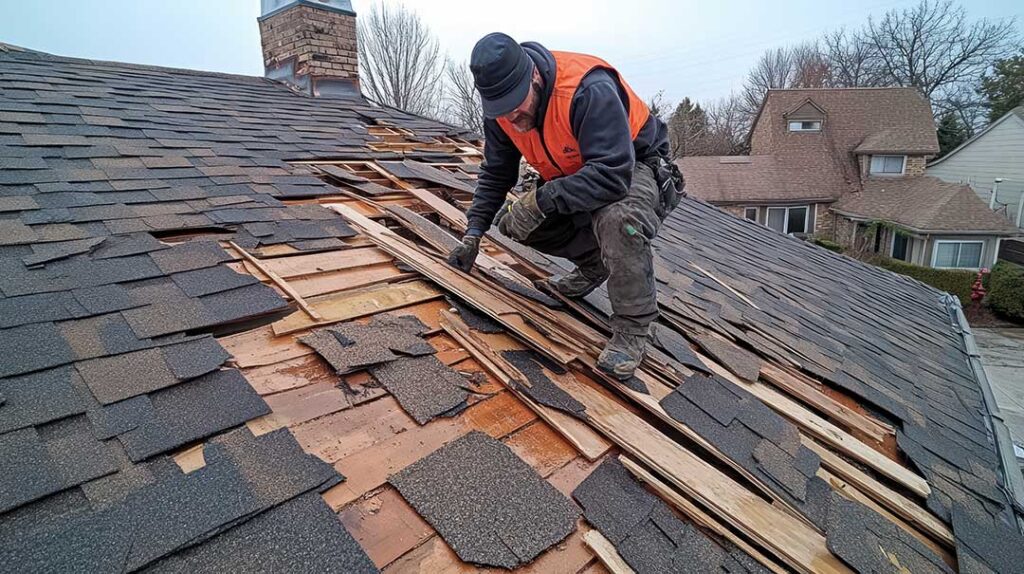
Overhanging tree branches can have several impacts on the lifespan, safety, and condition of residential roofs. In the Wyoming, MI area, mature trees are common in neighborhoods and yards—meaning local homeowners regularly deal with nearby foliage. Tree limbs that touch or hang above a roofline do more than just drop leaves; they can actively contribute to roof wear and create maintenance issues unique to the Great Lakes region's climate.
What Specific Problems Do Overhanging Branches Cause?
Branches hanging over or resting on a roof can physically and chemically damage roofing materials.
Touching branches may:
- Scratch and gouge roofing shingles during windy days, wearing down protective surfaces
- Break and fall during strong storms, impacting and potentially puncturing shingles, underlayment, or decking
- Allow leaves, twigs, and organic matter to pile up, trapping moisture and accelerating moss, mold, or algae growth
Continuous roof contact, particularly with older shingles, increases the likelihood of granule loss—a process that weakens the effectiveness of asphalt shingles often used on homes throughout the city.
Are There Risks Unique to Wyoming, MI’s Climate?
Yes—Wyoming deals with a range of weather patterns, from heavy snowfall to windy autumn storms. These local climate factors magnify the effects of overhanging limbs:
- Snow-laden tree branches above a roof can snap under weight, dropping unexpectedly onto shingles or gutters
- Autumn leaf fall is heavy, often clogging gutters; nearby limbs make this issue worse and raise the risk of ice dams from trapped meltwater during freeze-thaw cycles
- High winds, common in transitional seasons, turn loosely hanging branches into damaging battering rams against the roof surface
Freezing rain or dense snow can also turn minor overhangs into major problems overnight. The freeze-thaw cycle common each winter in the area can make once-flexible branches brittle, multiplying the danger to roofs below.
Can Overhanging Limbs Lead to Pest or Wildlife Problems?
Tree limbs close to, or touching, a roof often provide a bridge for animals. Squirrels, raccoons, and other small wildlife can access roofs and then attics or interior walls from branches that hang close to the home. Birds may also be attracted to sheltered gutters clogged with organic debris from overhanging limbs, making nests and adding to roof weight and drainage issues.
Ants and similar insects use branches to reach rooftop entry points, especially if leaf litter on the roof retains moisture and begins to decay. This pest pathway is easily overlooked in regular home maintenance.
How Do Limbs Increase Maintenance Needs?
An increased workload is typical for property owners coping with nearby trees. Tasks that become more frequent include:
- Cleaning gutters and downspouts to remove repeated leaf and twig blockages
- Sweeping or blowing organic debris from roof surfaces to avoid moisture retention and deterioration
- Checking for and removing moss or algae, especially on damp, shaded roof sections
- Inspecting for damaged shingles or worn flashing after wind or branch-fall events
Neglecting these steps can shorten a roof’s lifespan, requiring more frequent repairs or even early replacement compared to homes with no overhanging branches.
What Are Common Misconceptions About Roof Damage from Trees?
Some residents assume that only large, heavy branches pose a threat. However, repeated abrasion from smaller twigs, especially over time, can erode not just shingles but also the protective coatings on metal roofs or flashing.
Another misconception is that deciduous trees cause winter roof problems only after leaf fall; but in reality, snow and ice can load down any overhanging limb, regardless of whether leaves are present, and cause unexpected branch breakage midwinter.
What Are Practical Ways to Minimize Risk?
Residents can minimize potential damage by:
- Pruning back limbs so none hang directly over or touch the roof, maintaining a buffer zone
- Scheduling occasional checks for branches that may have grown closer each year
- Removing leaf litter from gutters several times each fall, particularly after major storms
- Regularly inspecting roof surfaces, especially after wind events or seasonal storms, to catch minor issues early
Most debris removal and pruning of lower branches can be handled safely from the ground or with conventional ladder work, provided it does not place anyone at risk or violate safety codes. For high or heavily loaded branches, involving municipal forestry programs or consulting with a certified arborist is advisable to prevent personal injury or accidental structural damage.
What Are Signs That Tree-Related Roof Damage Has Occurred?
Local homeowners should look for:
- Unexplained shingle granules in gutters or at downspout exits
- Sagging gutter lines, which may indicate excess leaf buildup
- Patches of moss, algae, or dark streaks below overhanging limbs
- Shingles with missing corners, cracks, or punctures directly under drooping branches
- Animal droppings or signs of animal entry near roof eaves
Promptly addressing these clues helps prevent small branch-related issues from growing into major, costly repairs.