

 See My Latest Article on HelloNation
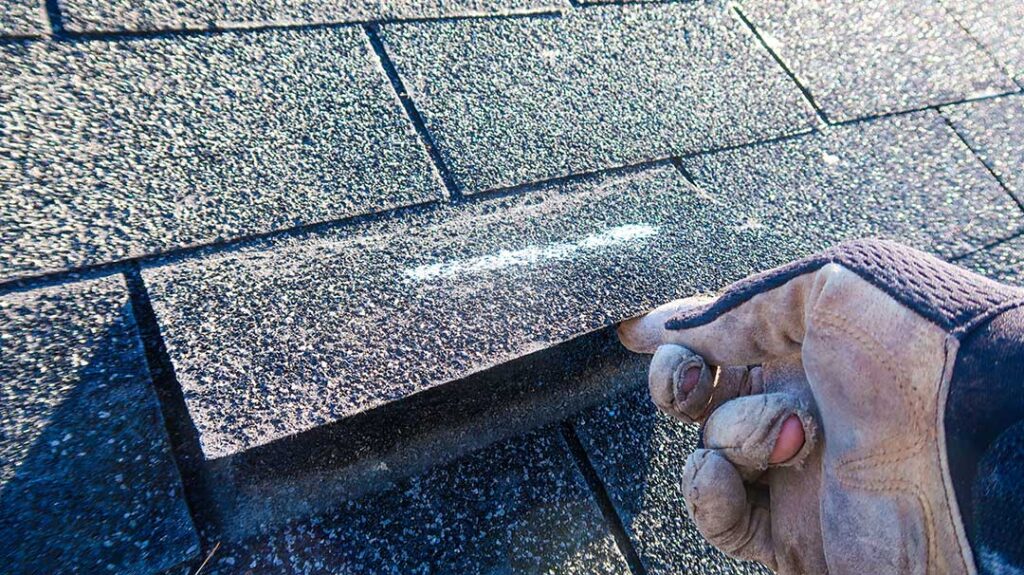
Why Check for Roof Damage After a Storm?
Checking your roof after a storm can help you identify issues before they become bigger problems, such as leaks, mold, or structural concerns. In areas like Wyoming, MI, where wind, rain, hail, and rapid temperature swings can put substantial stress on roofing materials, a post-storm inspection is an essential home maintenance habit for preventing long-term damage.
What Are the Signs of Storm Damage From the Ground?
Begin with a visual inspection from the ground. This approach avoids unnecessary risk and can reveal many obvious problems:
- Look for shingles that are missing, cracked, curled, or appear dislodged.
- Notice dark patches or areas where roofing granules have washed away.
- Scan for metal pieces that have fallen, which might have come from flashing or roof vents.
- Check for shingle debris, branches, or other foreign materials accumulated on the ground or in the gutters.
- Observe if gutters or downspouts are bent, detached, or clogged with shingle granules.
These signs may indicate more extensive damage that isn’t immediately visible.
How Can You Inspect Your Roof Up Close Safely?
Only check your roof up close if you can do so safely using a sturdy ladder on even ground. If any roof area is steep, slippery, or wet, it is safer to stay on the ground.
If ascending a ladder is appropriate, here’s how to be cautious:
- Use shoes with a grippy sole and avoid climbing in windy conditions.
- Inspect only the eaves or lower slopes, never walking fully onto the roof.
- Have someone nearby for support.
From this vantage point, look for:
- Blisters, bubbles, or splits in the shingles.
- Loose, exposed, or rusted nails and fasteners.
- Damaged or peeling roof edging and flashing.
- Punctures or tears in roof membranes on flat or low-slope roofs.
What Types of Damage Are Common During Wyoming Weather?
Roofs in Wyoming, MI frequently face forces like heavy snowfall, wind gusts, driving rain, and hail. Recognizing these specific hazards can help when you’re checking for damage:
- Hail may create pockmarks or bruises on shingles.
- Large debris from nearby trees can puncture or scrape surfaces.
- Snow and ice can loosen flashing, lead to ice dams at eaves, or pull gutters loose during melt cycles.
- Intense wind can strip or break shingles, particularly along the roof edges and ridges.
Even newer roofs can experience isolated areas of damage after severe weather events.
How Do Attic and Ceiling Inspections Help?
Storm damage isn’t always apparent from the outside. Some indicators are best found inside:
- Water stains, dampness, or mold on attic rafters and insulation may signal a leak.
- Daylight shining through the roof boards is a red flag for missing or displaced shingles.
- Musty odors or increased humidity in upper rooms can result from water intrusion.
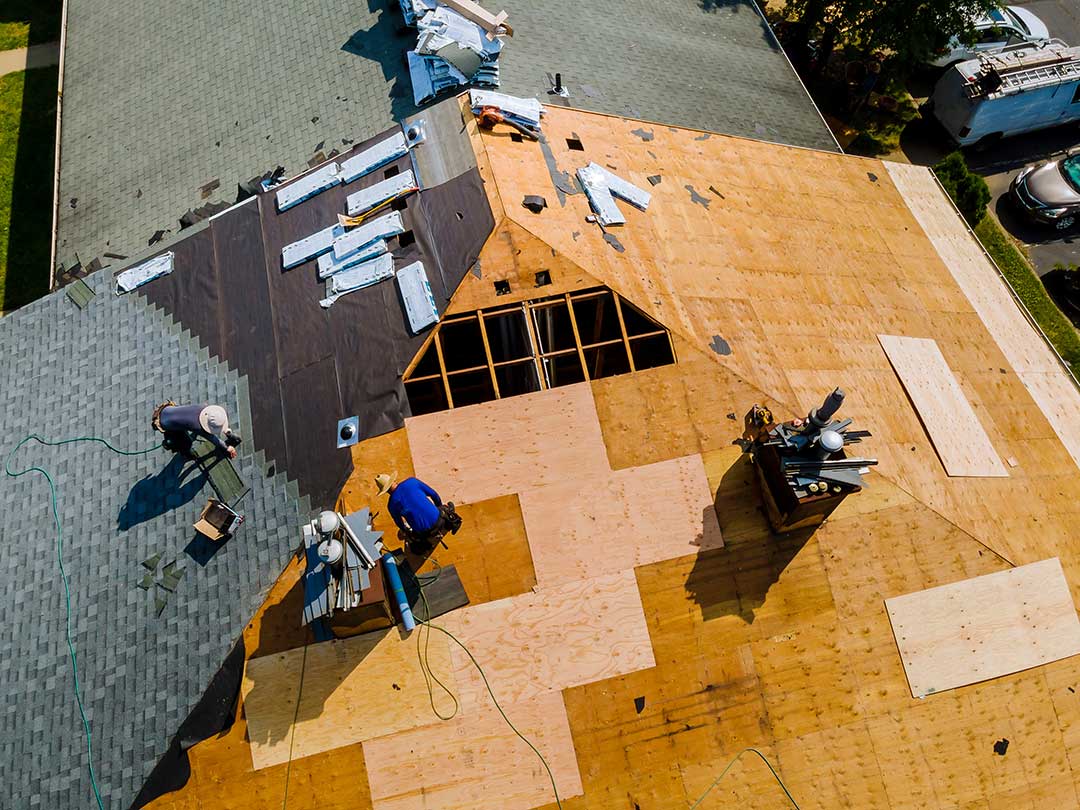
Checking in the attic or the top floor ceiling soon after a storm, especially during or shortly after rainfall, improves your chances of catching hidden leaks early.
What Are Some Overlooked Signs of Roof Trouble?
Some early warnings are easy to miss but are significant for long-term roof health:
- Blistering or peeling paint near rooflines, which could mean moisture is leaking into walls.
- Unusual, persistent noise from the roof during windstorms (such as whistling or banging sounds) that could mean something is loose.
- Small piles of granules beneath downspouts, indicating shingle wear even if shingles above look intact.
- Growth of moss or algae appearing after a storm, sometimes an indicator of moisture retention or poor drainage.
When Does Roof Damage Require Urgent Attention?
If you observe any signs of severe structural issues—such as sagging areas, widespread shingle loss, large holes, or active interior leaks—these problems require immediate action for safety. Avoid entering attics or upper floors if there’s reason to believe part of the roof could collapse. In these cases, prioritize safety and consult appropriate emergency services if required.
What Should You Document and Why?
Documenting damage with clear photographs and notes helps in several ways:
- It creates a record in case repairs are needed later.
- It may be useful for insurance claims.
- Capturing the time, date, and weather context can clarify when damage occurred.
For best results, take wide shots of the entire roofline and close-ups of any area of concern, even if the damage appears minor.
Are There Local Weather and Roofing Factors to Consider?
Wyoming typically experiences sharp shifts between seasons. Freeze-thaw cycles can worsen small cracks or faults in roofing materials. Residents often have mature trees nearby, posing risks of falling limbs or increased debris. Storm drains can be overwhelmed by heavy rain, causing water to back up onto roofs if gutters are not clear. Paying attention to weather alerts and keeping gutters and downspouts maintained makes each post-storm roof check more reliable.
What Are Common Misconceptions About Storm Damage?
It’s easy to assume that if a roof looks mostly undisturbed from a distance, there’s no damage. In reality, minor forms of weather damage can evolve into leaks or broader deterioration, especially for older roofs. Another misconception is that only large or dramatic storms can cause harm. Even moderate rainfall or brief hail can accelerate wear if roofing materials were already aging or stressed.
How Often Should Residents Check Their Roofs After a Storm?
A quick check after every significant storm is wise, especially if wind, hail, or heavy precipitation was involved. Fall and spring—when weather is turbulent—are good times to be especially attentive. Making a habit of this kind of inspection increases the chance of catching problems early and extending the lifespan of the home’s roof.