

 See My Latest Article on HelloNation
Why Is Preparing Your Roof for Winter So Important?
Roof preparation protects homes in Wyoming, MI from harsh winter conditions, which often bring heavy snow, ice, and temperature swings. Unattended roofs can develop leaks, ice dams, structural strain, and other problems that create costly repairs or indoor damage. Taking proactive steps before cold weather arrives helps prevent these issues and extends the life of roofing materials.
What Should You Inspect Before the First Snowfall?
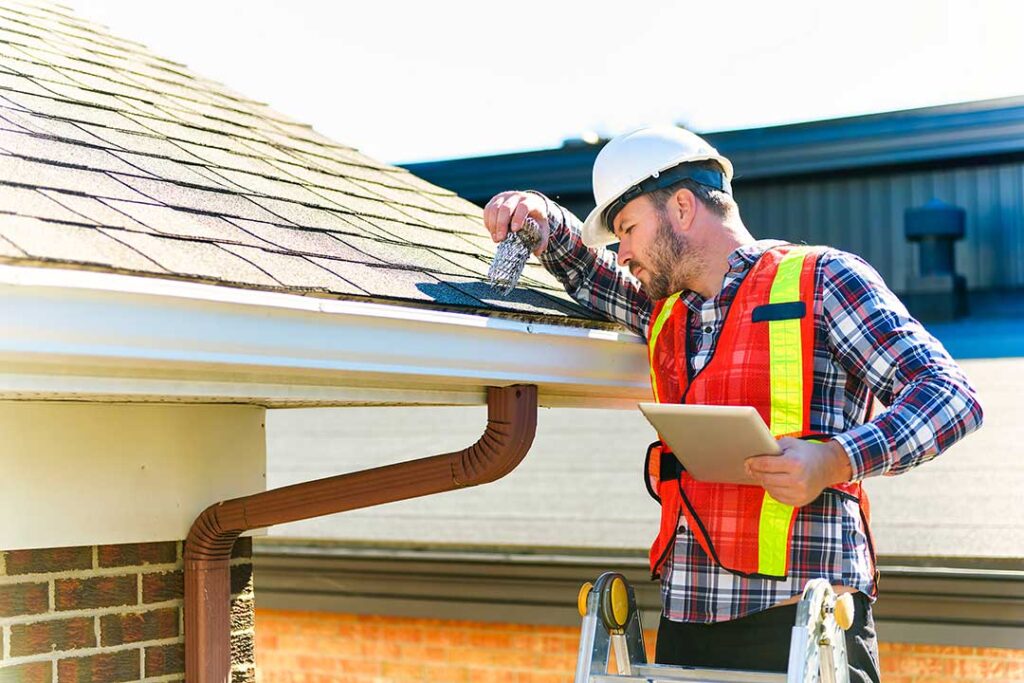
A thorough visual inspection is the foundation of winter readiness. Early fall is the ideal time to check for potential trouble spots.
Common things to look for include:
- Missing, cracked, or curling shingles
- Damaged or rusted flashing around chimneys, skylights, and vents
- Signs of moss, lichen, or algae growth
- Debris or large branches resting on the roof surface
Pay special attention to sections with lots of shade, as they tend to stay damp and can accelerate deterioration. Binoculars are handy for scanning the roof from the ground, but sometimes a closer look from a ladder is necessary if conditions allow.
How Do Gutters and Downspouts Affect Roof Performance?
Gutters and downspouts are crucial for directing melting snow and rain safely away from the roof and foundation.
To keep water moving freely:
- Clean gutters and remove all leaves, pine needles, and debris
- Make sure downspouts are clear and direct water several feet away from the home
- Ensure hangers and brackets are secure and repair any sagging sections
In the city, where mature trees are common and autumn leaf drop is heavy, gutter blockages can occur quickly. Regular clearing before and during winter is often needed.
What Steps Reduce the Risk of Ice Damming?
Ice dams form when rooftop snow melts and refreezes near the eaves, forcing water back under shingles. They are a common winter roofing challenge in this part of Michigan.
Key preventative steps include:
- Ensuring attics are well-insulated to minimize heat loss
- Sealing air leaks from living spaces into the attic (around pipes, fans, and light fixtures)
- Ventilating the attic so cold air circulates beneath the roof deck
While removing snow with a roof rake after heavy storms can help, correcting insulation and ventilation problems is more effective for long-term prevention.
Do Roof Valleys and Low-Slope Areas Need Special Attention?
Areas where two slopes meet, as well as gently pitched roofs, are especially vulnerable to water pooling and ice buildup.
Homeowners should:
- Keep valleys completely free of debris
- Check for granule loss or visible wear on shingles in these high-traffic water areas
- Confirm that metal flashing in valleys is in good condition, with no signs of pulling away from the roof structure
Flat areas—common on older or addition-built homes in Wyoming—may require further inspection after snow events, as these can develop standing water or drainage problems if snow or ice accumulates.
Should Roof Penetrations Be Sealed Before Winter?
Sealing around roof penetrations like vent pipes, chimneys, satellite mounts, and skylights keeps out melting snow and driven rain.
Look for:
- Cracked or missing caulk
- Loose storm collars on plumbing vents
- Openings or gaps where water could enter
Apply exterior-grade caulk or flashing tape where needed to reinforce these vulnerable spots. Extreme winter winds and freeze-thaw cycles can quickly widen any small gaps.
What Indoor Checks Help Prepare a Roof?
Some important clues to roof health are found indoors. Before winter, residents should check:
- Attic ceilings and rafters for damp stains or mildew (a sign of leaks or poor ventilation)
- Daylight shining through the roof boards
- Unusual musty odors in upper rooms
Spotting these signs early may allow small repairs before snow and ice make access impractical.
Is It Safe to Clear Snow or Ice From Your Own Roof?
Removing excessive snow can relieve weight and prevent ice dams but can also be hazardous. If a single-story roof is low and accessible, using a roof rake from the ground is the safest method. For higher roofs or steep pitches, it’s safest to avoid climbing entirely—slippery shingles and unseen ice increase the risk of falls and injury. In those cases, focus on prevention and monitoring from indoors instead.
What Are Common Winter Roofing Mistakes to Avoid?
Some well-meaning actions can accidentally cause damage or increase problems:
- Using salt or chemical de-icers on shingles can shorten their lifespan or harm nearby landscaping.
- Chipping away ice with sharp objects risks puncturing roofing materials.
- Blocking attic vents to “keep heat in” often leads to more ice damming and moisture problems.
Instead, gently raking off recent snow and prioritizing insulation improvements provides far better protection against winter’s challenges.
When Is It Time to Monitor or Check Your Roof Again During Winter?
Initial fall preparation is essential, but ongoing winter monitoring is just as important. After every big snowfall, windy storm, or freeze-thaw cycle, do a quick visual check from the ground for:
- Drifting snow loads on the roof
- Leaks or new stains inside attics or on ceilings
- Hanging icicles or unexpectedly large ice formations along the eaves
Staying watchful throughout the season helps local homeowners spot trouble early, keeping homes dry and comfortable until spring arrives.