

 See My Latest Article on HelloNation
What Is Ice Damming?
Ice damming occurs when ice forms along the edge of a roof, preventing melting snow from draining off as it should. This trapped water can seep back up under shingles, leading to leaks inside the home. In Wyoming, MI, with its snowy winters and frequent freeze-thaw cycles, ice damming is a common problem for many homeowners.
Low temperatures and fluctuating thawing periods contribute to ideal conditions for ice dams on homes in the area. Heated air escaping from living spaces warms sections of the roof, melts the bottom layers of snow, and causes water to run down until it refreezes at the colder edge, forming an ice dam. Once established, these dams can grow for weeks if weather conditions persist.
Why Do Ice Dams Form on Wyoming Roofs?
Ice dams usually result from a combination of poor attic insulation, inadequate ventilation, and heavy snowfall. In Wyoming, where homes often have varied roof designs and suffer from insulation gaps, these factors are commonplace.
Key contributors in the community include:
- Insufficient or uneven attic insulation, allowing heat to escape
- Blocked or poorly functioning roof vents that trap warm air
- Deep snow cover lingering after typical West Michigan storms
- Warmer attic air temperatures causing snow to melt and refreeze at the eaves
While many residents believe only older homes are affected, even newer houses in the city can experience ice damming if insulation isn't continuous or if remodels have disturbed the roof assembly.
What Problems Can Ice Dams Cause?
The primary concern with ice dams is water damage. If water backs up behind the dam, it can leak into walls, ceilings, or insulation, leading to:
- Stained or damaged drywall and plaster
- Rotted wood framing or sheathing
- Mold growth in attics, wall cavities, or finished living spaces
- Damaged roofing materials that reduce the overall lifespan of a roof
Not every ice dam results in leaks, but persistent or large dams greatly increase risk, especially following snowstorms with variable temperatures. Area households often see telltale signs like ceiling spots, peeling paint, or icicles forming not just on gutters but on siding and windows.
How Can Homeowners Prevent Ice Damming?
Most prevention focuses on keeping the entire roof cold so that snow does not melt unevenly. Here are the main strategies:
Improve Attic Insulation
A quick answer: Installing or upgrading insulation in the attic limits heat transfer from the house to the roof, helping maintain an even roof temperature.
Expanding insulation to recommended levels and sealing gaps around light fixtures, plumbing, or attic hatches helps minimize warm air leakage. In the city, many houses benefit from blown-in or batt insulation to reach at least R-38 thickness. Consistent coverage is key; small gaps can still cause significant problems.
Ensure Proper Attic Ventilation
Even with good insulation, homes need attic ventilation to circulate cold outside air under the roof. This helps avoid warm spots that cause melt-refreeze cycles.
Features like soffit vents, ridge vents, and gable vents should be clear of obstructions and balanced to allow natural airflow. In Wyoming, snow and blown leaves can block vents, so a quick check each fall ensures they function correctly.
Safe Roof and Gutter Maintenance
Keeping the roof surface and gutters clear of debris is another important prevention measure. When fall leaves or other debris accumulate, water is more likely to back up and freeze.
During heavy snowfall winters, carefully removing excess snow from at-risk edges with a roof rake (used from the ground) can help—just take care to avoid damaging shingles.
Addressing Problem Areas with Targeted Solutions
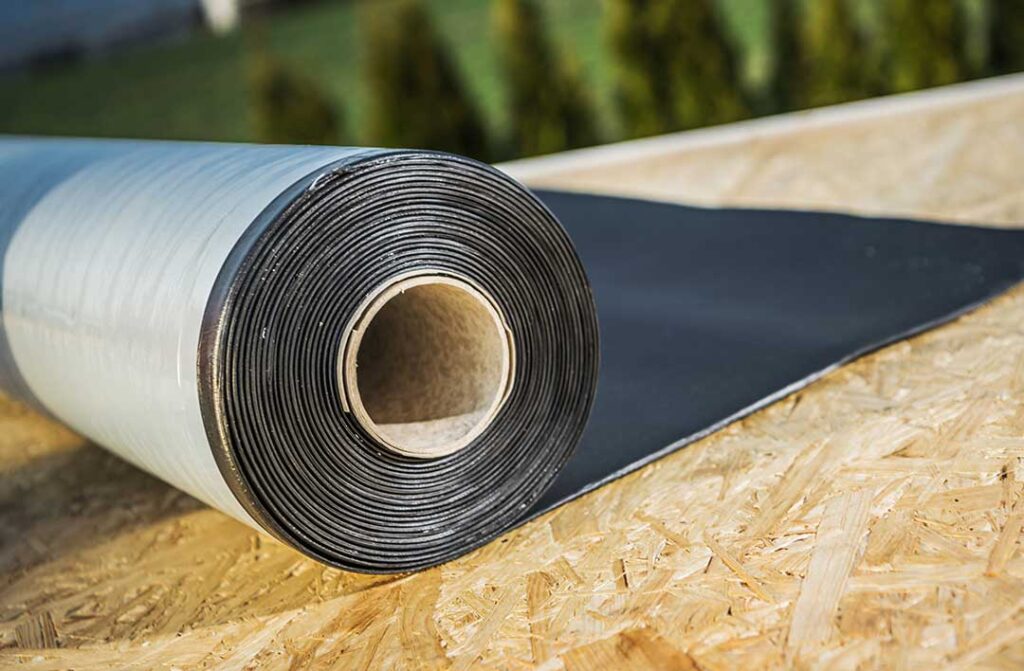
Homes with persistent trouble spots (e.g., above additions or around dormers) might benefit from ice and water shield membranes installed under the roofing in vulnerable sections. While this is often part of major roof work, understanding where ice dams repeatedly form lets homeowners focus efforts where they matter most.
What Are Common Misconceptions About Ice Damming?
Some residents assume gutters themselves cause ice damming or that gutters need to be taken down to fix the issue. In fact, gutters simply collect and display icicles, making buildup more visible, but they are rarely the root of the problem.
Salt tablets or chemical melting products thrown onto the roof are sometimes believed to be a quick fix. However, these methods can damage shingles or harm landscaping below and are not a long-term solution for repeat problems.
Regularly chipping away at accumulations can also harm roofing materials and poses safety risks.
When Might a Homeowner Need Professional Help?
Most ice damming prevention is safe for ownership—but large, inaccessible roofs or sudden interior leaks may require a specialized assessment. If water is entering living areas or attic mold is suspected, it's important to address structural and health risks with proper investigation.
For many households in the area, a yearly attic-and-roof check catches issues before winter sets in.
What Role Does Local Weather Play in Ice Damming?
Frequent temperature swings and wet, heavy snowfalls typical in Wyoming increase ice dam risks compared to areas with dry winters or consistently cold spells. Early-season snows followed by sunny, cold days are particularly troublesome.
Fluctuating conditions mean that even well-maintained homes may see some ice buildup around eaves or gutters—it’s how much water is able to back up and penetrate the roof that determines the level of concern.
Staying aware of seasonal weather and managing insulation and ventilation helps residents adapt prevention strategies to match local conditions.