

 See My Latest Article on HelloNation
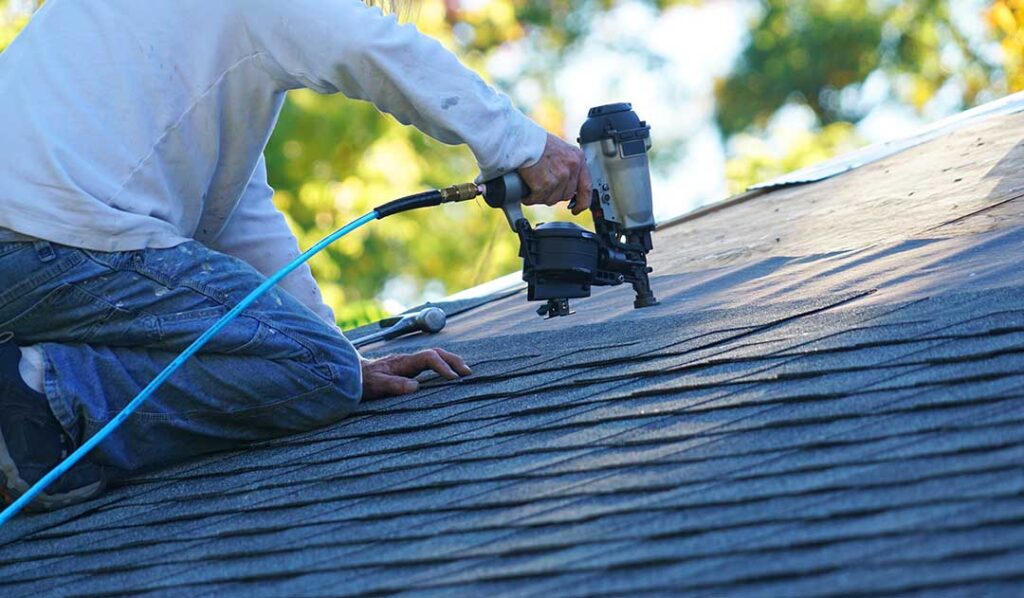
How Does Your Roof Affect Energy Efficiency?
Your roof is a major factor in keeping your home comfortable and managing energy use throughout the year. In Wyoming, MI, homes face both cold winters and warm, humid summers. This means the roof must work to limit heat loss during the winter and prevent unwanted heat gain in the summer.
A leaky or poorly insulated roof allows heat to escape during cold months and lets in excess heat during summer. This puts more strain on heating and cooling systems, increasing energy costs for local households.
What Roofing Materials Contribute to Efficiency?
The material covering your roof significantly influences how much heat your home absorbs or loses. Some common options in the city include:
- Asphalt shingles: The most widely used material, offering moderate insulation. Lighter colors reflect more sunlight, which can help in summer.
- Metal roofing: Gaining popularity for its durability and reflective surface. Properly coated metal roofs can reflect a large portion of solar heat.
- Tile or slate: Less common but highly durable. Natural materials provide good mass for slowing heat transfer but are usually seen on specific architectural styles.
- Cool roofing products: Some shingles and coatings are specifically designed to reflect more sunlight and emit absorbed heat more efficiently.
Local building codes in Wyoming generally allow for a range of materials, but always verify whether reflective or specialty coatings are permitted if considering a change.
Does Roof Color Matter in Michigan’s Climate?
Yes, roof color can influence indoor comfort and energy bills—sometimes in subtle ways. Light-colored roofs reflect more sunlight and reduce heat gain in summer, which can help on the occasional hot, sunny day in the city. However, because Wyoming experiences long, cold winters, some residents believe a darker roof will help melt snow faster or allow more heat absorption. In reality, the benefits of dark roofs for snow melt are usually minor, as Michigan’s cloud cover and snow accumulation are much more influenced by ambient temperatures and insulation beneath the roof surface.
For most households, choosing a color that balances curb appeal with modest energy savings—such as medium grays—is a practical choice.
How Does Roof Insulation Improve Efficiency?
The insulation immediately beneath the roof (often in the attic) is the most critical factor in stopping heat transfer. Well-insulated homes in Wyoming see lower heating bills during winter’s sub-freezing temperatures, and improved comfort in humid summer weather.
- Attic insulation should be inspected regularly—it can degrade or settle over time, reducing effectiveness.
- Gaps, holes, or compressed insulation can cause costly drafts and temperature swings.
- Adding or upgrading insulation often delivers a quick payback in reduced heating costs.
Local homes built before 1990 sometimes have less insulation than homes constructed under newer energy codes. Improving attic insulation is a frequent upgrade in the community for both comfort and efficiency.
Can Proper Ventilation Make a Difference?
Roof ventilation is sometimes overlooked, but it helps prevent moisture damage and keeps indoor temperatures stable. In Wyoming, humid summers and freezing winters mean that stale, moist air must be vented out from attic spaces.
Well-designed vents along the roof ridge and at the soffits work together to:
- Remove moist, warm air in summer, reducing the risk of mold and rot
- Prevent ice damming in winter by keeping the attic cold and reducing snow melt-refreeze cycles
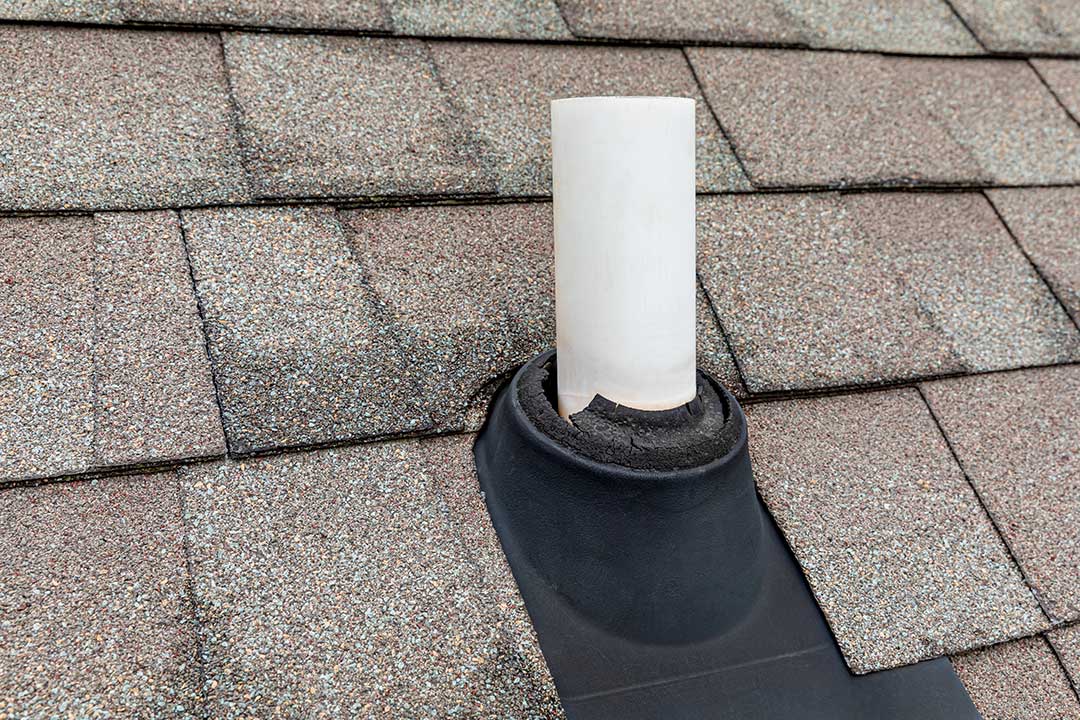
Poor ventilation can cancel out the benefits of quality roofing materials or insulation, so it’s worth making sure vents are clear and functional, especially after roof repairs or updates.
What About Roof Age and Maintenance?
Older or deteriorating roofs become less energy efficient over time. Common issues in Wyoming include:
- Cracked or missing shingles that allow drafts
- Water intrusion leading to damp, less effective attic insulation
- Sagging roof decks affecting vent flow
Periodic maintenance, like clearing debris from gutters and making timely repairs, helps maintain the roof’s ability to shed water and keep insulation dry. This has a direct impact on heating and cooling efficiency throughout the year.
Are There Local Energy Efficiency Incentives?
Residents sometimes ask if there are programs to help offset the cost of efficiency-focused roof improvements. The city itself does not typically provide direct roof upgrade incentives, but state and utility-sponsored programs may occasionally offer rebates or loans for qualifying insulation or energy efficiency projects. Eligibility and availability change, so check with state resources or your energy utility for up-to-date information.
What Common Misconceptions Exist About Energy Efficient Roofs?
Some local homeowners believe that simply installing new shingles or switching to a specific color will significantly reduce HVAC bills. In reality, efficiency gains rarely come from one change alone. Instead, the biggest improvements come from a combination of proper insulation, functional ventilation, and well-maintained, durable roofing material. Regular inspections and ongoing upkeep are just as important as material choices.
Improving your home’s energy efficiency is often about incremental changes rather than large, one-time upgrades. A well-cared-for roof, paired with attic improvements, offers practical savings and long-term comfort for area households.