

 See My Latest Article on HelloNation
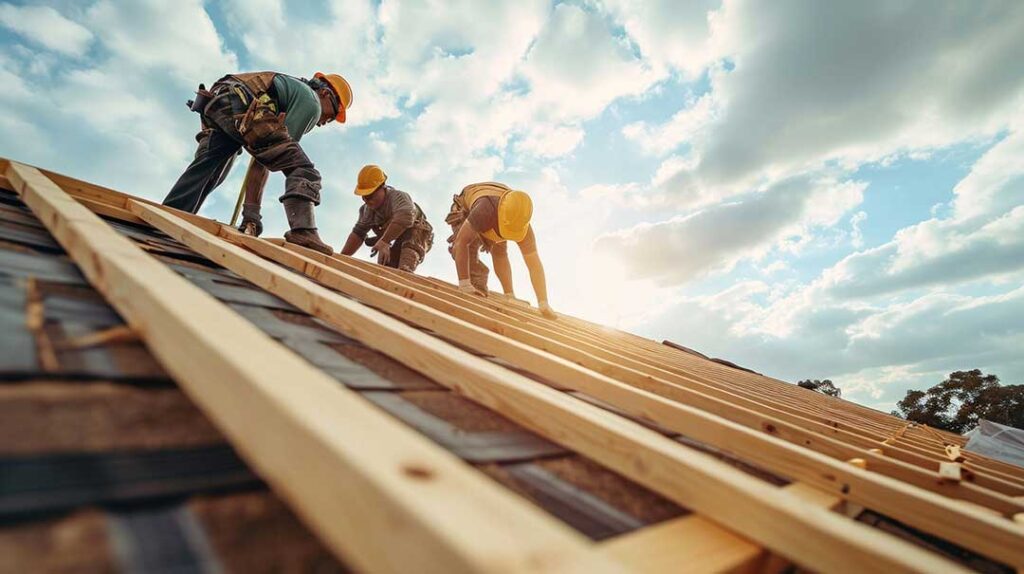
Why Do Wyoming, MI Residents Need Roof Inspections?
A thorough roof inspection helps residents understand the true condition of their roof, detect emerging issues early, and prepare for the weather swings seen in the city. Inspections in this region are particularly valuable after harsh winters or strong summer storms, which can cause damage that’s not easy to spot from the ground.
For many local households, catching problems early can prevent costly repairs and safeguard indoor comfort all year. Area homeowners often wonder what really happens during an inspection, what is checked, and how to know if the process was done properly.
—
What Will a Professional Roofer Look for During an Inspection?
Inspectors in Wyoming typically assess the roof from several angles—both indoors and out—to identify potential trouble areas. This usually includes:
- Examining the exterior surface for damaged, missing, or worn shingles
- Inspecting flashing around chimneys, vents, and valleys for any gaps or rust
- Checking gutters for shingle granules or blockages, a sign of weathering and possible leaks
- Scanning for soft spots, sagging, or other signs of structural weakness
- Looking at the edge of the roof for water staining or ice dam marks (especially after winter)
Inside the home, many inspectors will also:
- Check the attic for leaking, water stains, mold, or insufficient ventilation
- Look at insulation and beams for signs of rot or animal activity
This comprehensive approach is crucial in the city’s climate, which ranges from humid summer spells to snowy winter storms.
—
How Long Does a Roof Inspection Take?
Most inspections take between 45 minutes and two hours for the average single-family home in Wyoming. The timing depends on roof size, slope, accessibility, and whether there are multiple layers of roofing material. Sometimes, more complicated roofs or those with limited attic access may take longer.
—
What Tools Do Inspectors Use—And Are Drones or Infrared Cameras Common?
While many inspections use time-tested methods like ladders, flashlights, tape measures, and hand tools, roofers in the city may also use technology such as:
- Drones to survey hard-to-reach areas on steep or high roofs
- Moisture meters for detecting dampness beneath shingles
- Infrared cameras to spot insulation or ventilation problems, particularly useful for identifying heat loss in winter
Not every inspection will use advanced tools, but their use can enhance accuracy, especially for hidden or subtle issues.
—
What Questions Should Homeowners Ask Before and After an Inspection?
Open, clear communication helps ensure you understand the findings, which is especially important for those new to homeownership in the area. Homeowners might ask:
- What is the overall age and expected remaining lifespan of the roof?
- Which issues need urgent attention, and which are minor?
- What specific areas were checked, and are photos or written notes available?
- Did the inspection reveal issues unique to homes in Wyoming, such as ice dam potential, gutter blockages from local trees, or wind-lifted shingles common during fall storms?
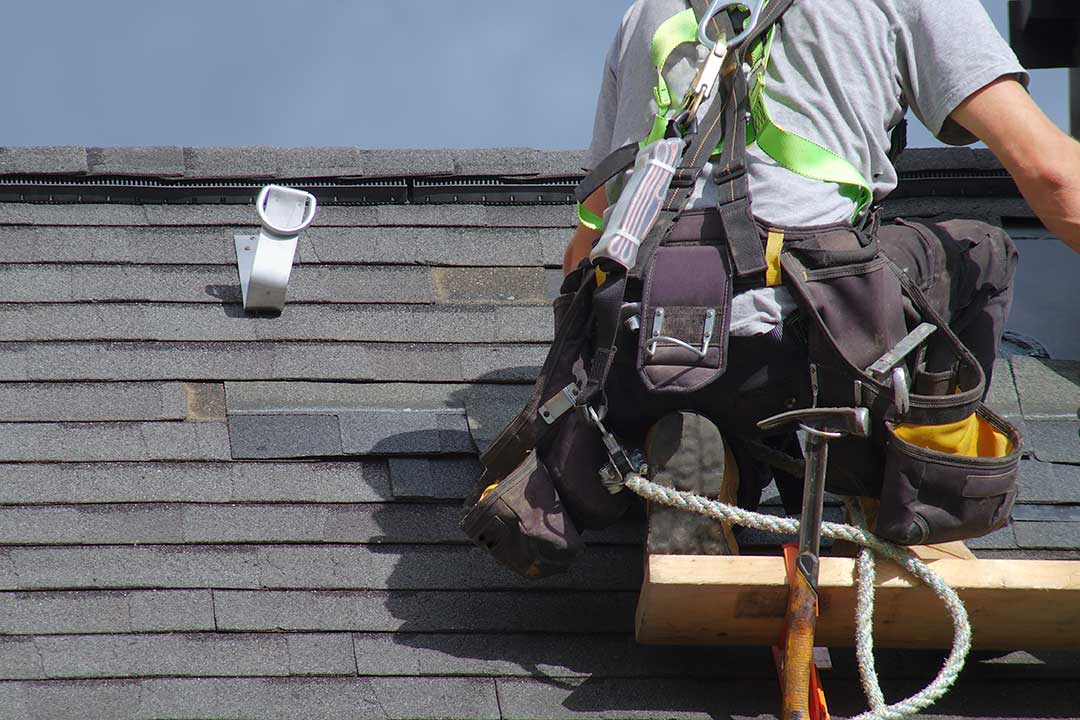
Asking these questions can offer valuable insight and help area residents make sense of the report.
—
Are Roof Inspections Disruptive or Noisy?
Most routine inspections are low-disruption. Inspectors may need access to the attic or upper floors but typically avoid moving furnishings extensively. Ladders set up outdoors can cause brief noise, and walking on the roof will create audible footsteps, but disruption is generally minimal for the household. Scheduling during daylight and avoiding rainy or icy days contributes to both safety and convenience.
—
How Often Do Wyoming Residents Need a Roof Check?
Frequency depends on roof type, past issues, and area weather. Many local homeowners schedule inspections every 1-2 years or after major storms, especially as many homes in the city were built decades ago. Localized hail or wind damage—common in spring—may prompt additional checks on an as-needed basis.
—
What Are Common Problems Found in the City?
Homes in Wyoming often experience problems such as:
- Shingle wear and tear from freeze-thaw cycles
- Moss or algae from the humid summer climate
- Ice dams resulting from poor insulation and fluctuating winter temperatures
- Clogged gutters from maple, oak, and other common trees in residential areas
Not all issues demand immediate repairs, but identifying them early gives homeowners more options and prevents problems from worsening.
—
What Happens After the Inspection?
Homeowners are usually provided with a report summarizing findings, photos, and an explanation of issues, if any exist. This document may also outline next steps, suggest maintenance tips for the specific roofing material, and highlight seasonal concerns for the city’s climate.
Residents sometimes assume an inspection automatically leads to expensive repairs, but many reports simply serve as reassurance or planning tools, helping households anticipate future upkeep and budgeting.
—