

 See My Latest Article on HelloNation
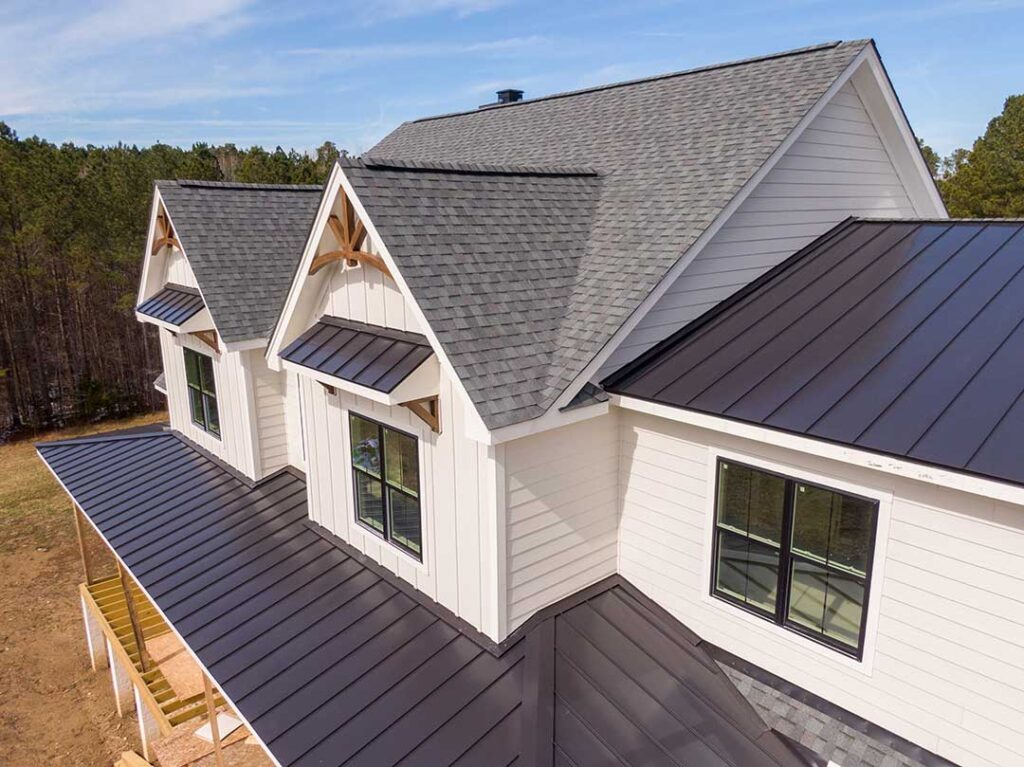
How Long Does a Typical Roof Last in Wyoming, MI?
A standard asphalt shingle roof in Wyoming, MI generally lasts 15 to 25 years, depending on local weather, material quality, and maintenance. Older homes or those with roofs installed decades ago may be nearing the end of this range.
The city experiences a typical Michigan climate with snowy, icy winters and humid summers, which can cause shingles to deteriorate faster than in milder climates. Homes with roofs exposed to high winds, heavy ice dams, or repeated freeze-thaw cycles may require replacement earlier.
What Are the Most Noticeable Signs of Roof Deterioration?
Common warning signs are visible from the ground or inside the attic. If you spot any of these, your roof may be approaching the end of its lifespan:
- Shingles that are curled, cracked, or missing
- Granules from shingles collected in gutters or near downspouts
- Dark streaks or widespread discoloration
- Moss or algae growth, which often signals holding moisture
- Sagging roof areas or waviness across the surface
Inside the home, check for:
- Stains on ceilings or attic rafters
- Peeling paint near rooflines
- Increased drafts or musty smells, especially after rain
Residents sometimes believe small repairs can always solve these symptoms, but widespread or recurring issues often mean underlying problems that patching won't truly fix.
How Does Wyoming’s Weather Affect Roof Lifespan?
Winter storms, ice buildup, and rapid seasonal changes are hard on area roofs. The regular freeze-thaw cycle can cause shingles to lose integrity, while ice dams at eaves force water underneath the roofing material. Summer humidity also hastens the breakdown of organic roofing components.
After major storms, hail, or heavy winds, check for new damage even if your roof isn’t especially old. Residents sometimes discover “mystery leaks” or new drafts after high-wind events—these often trace back to roof problems that can accelerate the need for replacement.
Is Age Alone a Reason to Replace a Roof?
If your roof is over 20 years old, it's wise to evaluate closely even if it appears intact from the ground. Many roof problems develop on the underside of shingles or in valleys where water travels. The underlayment and flashing may have degraded out of sight.
Having a roof near or past its expected lifespan increases the risk of leaks, interior staining, and heat loss, all of which can lead to costlier repairs down the line. In areas with many homes built more than 20 years ago, as is common in parts of Wyoming, original roofs are likely due for replacement or at least a detailed inspection.
What Problems Are Often Overlooked Until It’s Too Late?
Some roofing issues don't make themselves obvious until they've caused damage indoors:
- Persistent leaks around chimneys, skylights, or wall intersections
- Soft spots that develop in the decking under the shingles
- Subtle attic drafts or unexplained chill, indicating compromised insulation under failing roofing
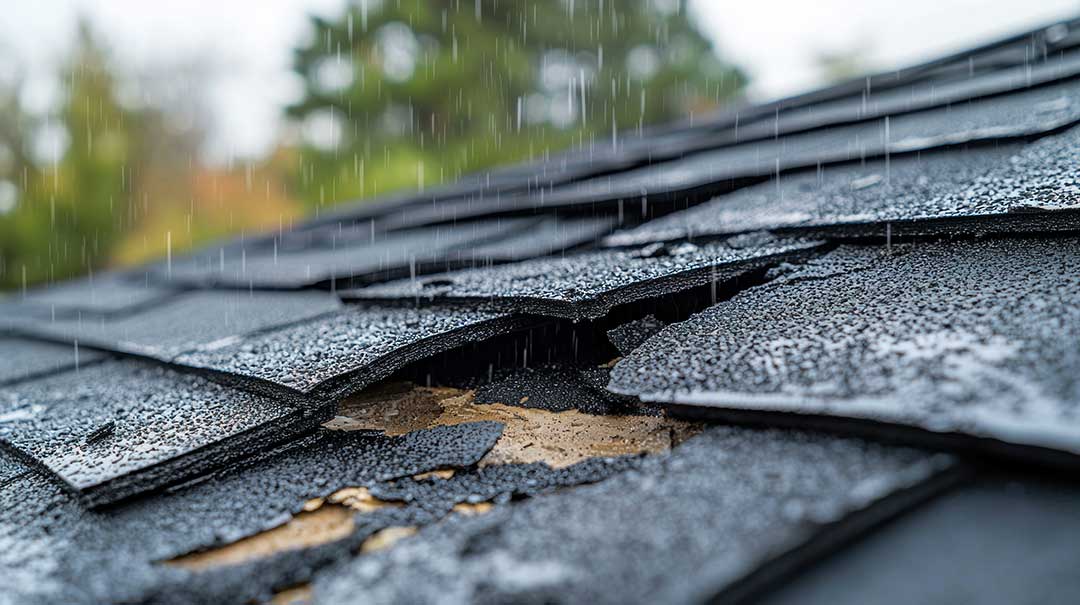
Residents are sometimes surprised by how quickly minor damage from a single winter can develop into costly rot or mold if not addressed promptly.
Can Repairs Extend a Roof’s Life, or Is Full Replacement Needed?
Small, isolated problems—like a few missing shingles or a minor flashing issue—are often fixable. However, if the same problems reappear, or if multiple areas of the roof show signs of age, overall replacement is usually warranted. Repairs may temporarily mask the problem but can’t restore the strength or insulating power of older roofing materials.
People sometimes underestimate the spread of hidden moisture or rot: while a shingle may look replaceable, the wood or insulation beneath it might already be compromised. If you see signs of water stains or sagging, repairs may not be enough.
Are There Local Regulations or Permits Involved in Roof Replacement?
In the city, most residential roof replacements require a building permit, and work must meet current codes for insulation, ventilation, and material installation. Local ordinances may also guide how many layers of roofing material can be installed before a complete tear-off is required.
Many older homes in established neighborhoods have been reroofed once or twice already. If your home still has multiple layers, a full tear-off and replacement may be needed to comply with city code.
What Should Wyoming Residents Consider Before Deciding?
Each home’s situation is unique, but considering the following will help households make informed decisions:
- Evaluate the roof’s visible condition in several places, not just where damage appears
- Factor in previous repairs—if you’ve patched the same area more than once, future leaks are likely
- Remember that a new roof can improve insulation efficiency, potentially lowering heating costs through long Michigan winters
- Consult with the city for guidance about permits and required inspections before making any changes
Residents often ask whether to wait until a problem develops, but proactive replacement before leaks occur usually prevents more expensive repairs—such as damaged drywall, insulation, or electrical systems—that stem from unnoticed water intrusion.