

 See My Latest Article on HelloNation
What Are Mold and Mildew, and Why Do They Appear on Roofs?
Mold and mildew are types of fungi that thrive in damp, shaded environments—conditions commonly found on residential roofs in Wyoming, MI, especially after high humidity or wet seasons. Both can cause unpleasant discoloration and may contribute to the gradual deterioration of roofing materials if ignored, but identifying them early can often prevent larger issues.
Mold tends to look fuzzy or slimy and may appear in shades of black, green, or sometimes even orange. Mildew usually looks powdery or flat, typically appearing white, gray, or yellowish. These growths favor organic material, so wood shingles and certain roof debris are especially susceptible.
How Can You Recognize Mold and Mildew on a Roof?
Residents can identify potential mold or mildew by observing changes in roof color and texture. The first things to check for are:
- Dark streaks or blotches that don’t wash away with rain
- Greenish patches in shaded roof sections
- Powdery white or yellowish areas, sometimes with a musty smell
- Sections of the roof where surface materials look softened or slimy, especially after a period of damp weather
In Wyoming, MI, north-facing roof slopes typically dry more slowly and are more prone to fungal growth, given the city’s seasonal mix of rain and snow. Overhanging trees can also increase risk by providing both shade and organic debris.
What Causes Roof Mold and Mildew in Wyoming, MI?
Mold and mildew will only thrive if certain conditions are present. The most common contributing factors for area households include:
- Consistent moisture: Wyoming’s spring thaws, frequent rainfall, and occasional summer humidity mean roofs can stay damp for extended periods.
- Shaded areas: Large trees or neighboring buildings create pockets of shade where sunlight doesn’t reach, hindering evaporation.
- Poor drainage: Clogged gutters or downspouts can trap water along roof lines and edges, creating ideal conditions for fungal growth.
- Organic material: Fallen leaves, needles, or moss can accumulate and begin to decompose, providing a food source for these fungi.
It’s easy to overlook the role of airborne spores—mold and mildew don’t need soil; they can settle and begin growing anywhere they find dampness and decaying material.
Are Mold and Mildew Just Cosmetic Issues on a Roof?
While many people first notice mold or mildew because of their appearance, these fungi can lead to more than just stained shingles. Over time, they can:
- Slowly break down roofing materials, particularly organic-based shingles or underlayment
- Retain moisture against the roof, which may accelerate wood rot or support moss growth
- Contribute to poor attic ventilation by blocking airflow at roof edges or vents
- Cause unpleasant odors that may enter the home if roof ventilation or insulation is compromised
For local families with allergies or asthma, visible fungal growth can sometimes worsen indoor air quality—especially if spores migrate into attic spaces.
How Do Wyoming Residents Safely Examine Their Roof for Growth?
A basic visual check from ground level using binoculars can often reveal suspicious streaks or colored patches. For those comfortable using a ladder on level ground, examining low roof edges up close (while following safety guidelines) can provide more detail. Signs to watch for include:
- Discoloration that doesn’t match normal wear, especially beneath overhangs or near gutters
- Slippery or spongy surfaces when touched with a gloved hand
- Accumulations of debris, moss, or leaf clusters holding moisture
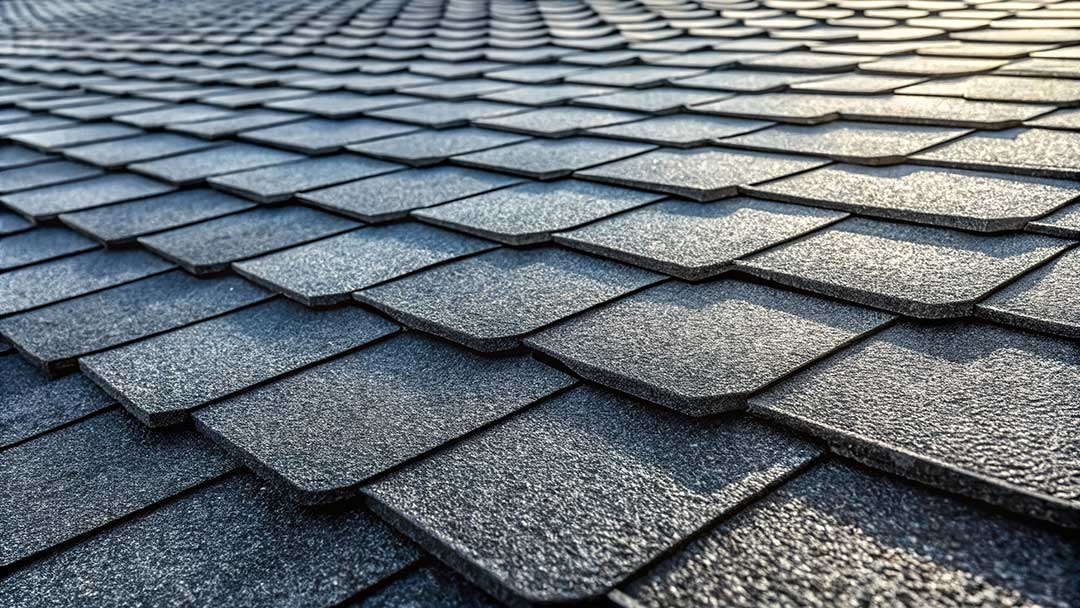
Local households should avoid walking on a wet or moldy roof to prevent slips and further damage. Using a camera or smartphone to take zoomed-in photos can help spot subtle changes.
What Are Common Misconceptions About Roof Mold and Mildew?
There’s a widespread belief that only old or neglected roofs see these issues, but even newer homes in Wyoming can develop growth if weather and site conditions align. Other myths include:
- Thinking that dark streaks are always from soot or pollution—often it’s a variety of algae or mildew.
- Believing that mold must have a pungent smell; not all roof fungi release strong odors.
- Assuming that regular rain will wash away growth. While heavy storms may remove loose debris, persistent fungi usually require more targeted cleaning or correction of underlying causes.
What Can Residents Do if Mold or Mildew Is Found?
The safest first step if mold or mildew is spotted is to reduce future growth risk rather than attempt aggressive cleaning from the start. This may include:
- Clearing leaves, branches, and organic debris from roof surfaces and gutters
- Trimming back tree limbs to allow more sunlight and airflow over the roof
- Monitoring shaded areas after storms or thaws to see if discoloration returns
If growth seems extensive, has penetrated roof layers, or creates a slippery surface hazard, some situations may warrant consulting with a roofing professional—particularly if structural or indoor air quality problems are suspected.
For small patches, some residents use gentle methods like rinsing affected shingles from above with a hose (not a pressure washer, which can damage materials), but always take appropriate safety precautions.
Why Is Regular Monitoring Valuable for Local Roof Longevity?
By checking roofs for signs of mold and mildew before and after wet seasons or after large storms, homeowners can catch problems early. This habit helps maintain the structural integrity and appearance of the home, and in Wyoming, MI, can save on future repair costs linked to water damage or hidden rot. Being proactive also means small maintenance tasks—like clearing gutters—will be more effective and rewarding.